Stalking Response Guide

Someone stalking or harassing you – or just won’t leave you alone?
A guide to your options

Kia ora! You, and everyone, have the right to live free from fear, control, and stalking harm.

This is the first edition of this resource (Dec 2025) from our Aotearoa Free From Stalking team. We plan to release an updated edition once the Crimes (Stalking and Harassment) Amendment Act comes into effect (ETA May 2026).

Click here to download a more comprehensive PDF version of this guide

Click here for a flowchart of stalking options linking to different online sections of this guide (PDF).

If you think you might be in urgent danger, dial 111 for police. Tell the operator it is urgent and that you are in danger, so they know to send help immediately

Haere mai - welcome

Your well-being, your quality of life and your future matter.

By definition, stalking is something the person being targeted does not want – it’s imposed on them, and the stalker’s behaviour is outside of the targeted person’s control (see What is stalking?). The responsibility for the stalking behaviour lies with the stalker, not with you.

Being stalked or harassed can be confusing, exhausting, overwhelming and/or frightening. It can feel isolating. It is important that unwanted behaviour is taken seriously and that you seek support – even if you’re not sure.

You deserve support that respects your heritage, social and cultural context, values, beliefs and circumstances.

In this resource, we offer some information and guidance to help inform your own decisions. Not every idea will work in every situation. At times, official responses may not work in the ways they should. There are gaps – both in our knowledge, and in services currently available.

We want you to know you are not alone, some support is available, and people are working to improve the system response to stalking. By seeking support, you are helping to protect not only yourself but also the community as a whole. Thank you.

Reaching out for support

Help and support from other people can make a huge difference to your wellbeing, and make it easier to get safer from stalking.

Who do I go to?

Trust your instincts about what feels right for you to do and who to ask for support.

Free confidential information and support: If you need help, information, advice, or just a listening ear, you can ring a helpline or support organisation such as Women’s Refuge, Safe to Talk or Victim Support. These helplines should be able to help you find the best local service to meet your needs, for in-person support if that’s something you want, and may include a Kaupapa Māori, Pasifika, or Rainbow service, for example.

Family violence safety: If you are being stalked as part of a family violence situation, your first point of contact should be Women’s Refuge or Shine (contacts listed here), as they are experts in safety planning and protection.

Personal support crew: Reach out to someone who:

  • you trust
  • is likely to listen, and take your concerns seriously, and
  • will respect your right to decide what steps to take.

This could be a friend, family member, workmate, teacher, church leader or member, kaumātua, kuia, or someone from a community group, doctor, counsellor, social worker, marae, hapū, or iwi – or someone else.

If someone doesn’t take you seriously, even after explanation, reach out to another person, someone else you trust. If nobody feels like the right choice (or if nobody responds the way you need them to) you might want to contact a support service / helpline that understands stalking and can help you feel heard and safe.

You may wish to connect with an organisation who may be able to connect you with culturally appropriate support – for example, a Māori or Pacific health or social service provider. If you are concerned about confidentiality, you might prefer to seek help from organisations outside your community. That’s absolutely okay too.

What do I say?

Even when talking to someone you trust, it can sometimes be hard to name or challenge behaviour that feels invasive or controlling; for example, when the unwanted behaviour comes from someone you’re expected to trust or defer to within family, cultural, work, education or faith communities. You might feel pressure to stay quiet, to “keep the peace”, or to avoid bringing shame to your whānau or community. And in any situation when you talk about being stalked, you may receive an array of reactions. Not everyone will immediately understand what you’re experiencing. Some people might minimise it, make excuses for the other person, or tell you that you’re overreacting. In all these situations, as in others, your feelings of fear, confusion, and/or discomfort about the stalking are valid.

Here are some words you can use which may help your trusted person understand – or you can simply pass this text on for them to read:

“I am being stalked. That means I am the target of a pattern of unwanted behaviour. This stalking is [delete as appropriate] intimidating, threatening, distressing and/or dangerous. It is making me feel distressed, worried and/or scared. I am letting you know, because I trust you. Research shows stalking can have a serious and detrimental effect on people’s lives, and it must be taken seriously. Behaviour that looks superficial or harmless to outsiders can be carefully chosen to be threatening to its target. Stalkers often behave and present extremely differently to outsiders than they do to their targets, and they can be extremely persistent – in other words, they usually won’t stop intruding on someone’s life just because they’ve been asked to. Please help me work out my options to find protection from the stalking.”

Back to the top

Supporting someone else

If a friend or family member or someone else you know is being stalked, your support can make a big difference.

  • It’s really important to listen without judgment and believe what they say. You might say, “That sounds really scary. I’m so sorry you’re going through this.” Such validation can help them feel less alone and build their confidence – which is vital to reducing the effect of the stalking on their wellbeing, and can help them find useful protections.
  • If they are describing concerning “red flag” behaviour but not identifying it as stalking, you can use the descriptions in this guide to help them decide whether the information in this guide may be relevant and useful.
  • Encourage them to make their own decisions about what courses of action seem best. Stalking can feel like a loss of autonomy – the ability to control one’s own life. You can help them regain the sense they can make their own decisions.
  • Ask how you can help and offer practical help that they may need.
  • With their permission, you could research and discuss their options with them. You can also offer to call Women’s Refuge, SHINE and/or Victim Support or other helplines on their behalf for advice.
  • You could also offer to go with them to appointments and take notes (for example, with the police) or keep records, gather information for them or just keep them company. When someone is scared, stressed, anxious, and/or not sleeping well, it can be even harder to remember and keep track of things.
  • Maybe you can offer them a safe place to stay, help with childcare, transport, financial support
  • Give them time over weeks, months and years – however long they need – to voice their feelings and concerns.
  • And also offer them respite – distraction, entertainment and grounding activities. (But make sure this is not the only thing you offer – the person being stalked needs to know you know that protection and safety are important.)
  • Remember to take care of yourself, too; helping someone under threat can be stressful.

If you are an employer, see SHINE’s DVFREE Workplace Guidelines for ideas and responsibilities.

Crime Stoppers: If you wish to let the police know about someone who is stalking someone else (rather than yourself) but want to stay anonymous, you can call Crime Stoppers (0800 555 111) to give information. They will pass on details to the police without giving away your identity. This can help police build a picture of what’s happening or identify patterns of behaviour. However, if you are the person being stalked or you’re in danger, it’s better to contact police directly so they can take protective action sooner. See Reporting stalking to the police.

Mitigating the impacts of stalking on your wellbeing

As well as looking to reduce the ability of the stalker to intrude in your life, it can also be useful to look to reduce the effect of those intrusions on your psychological, emotional, spiritual and physical wellbeing. Look after your wellbeing in whatever ways you think will help and you are able to do. Looking after your hauora means caring for your whole self.
What works will look different for everyone.

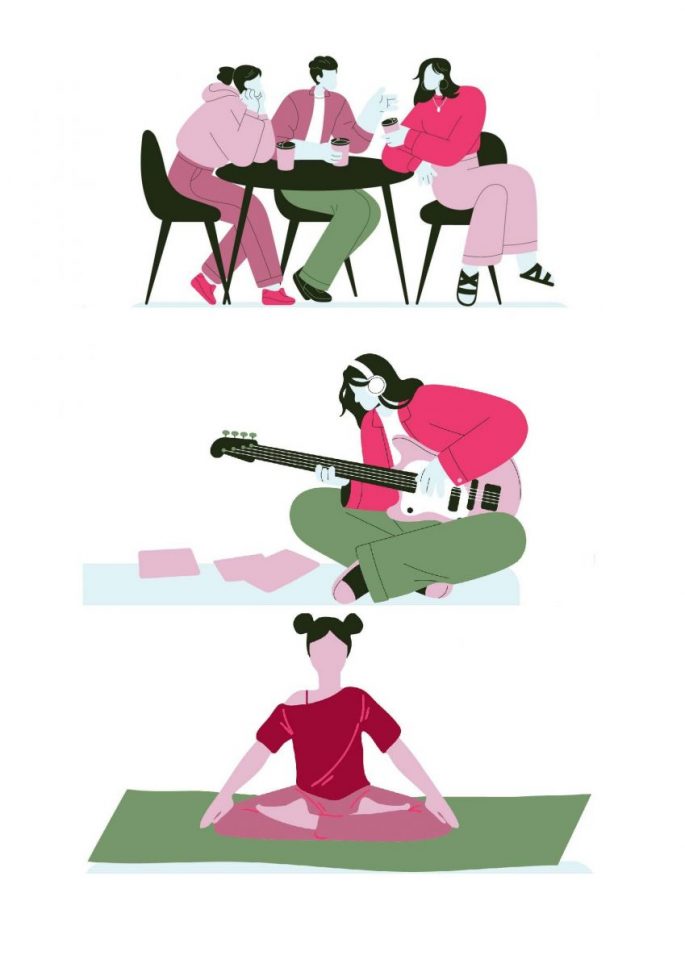
  • Grounding practices such as karakia, meditation, or journaling may help.
  • Spending time with safe friends and whānau, and enjoying their company
  • Strength or distraction may be found in creative activities like arts and crafts, music, dance, or writing.

Choose what feels right for you. Rest, exercise and nourishing food can also support stability and a sense of control.

Back to the top